Understanding addiction recovery goes beyond merely abstaining from substances. A crucial aspect often overlooked is how addiction impacts the body’s stress-response system. Teaching the nervous system to feel safe without reliance on substances is a vital component of long-term recovery. This article delves into the intersection of neuroscience, psychology, and recovery, emphasizing the importance of nervous system regulation in achieving sustainable sobriety.
The Impact of Addiction on the Nervous System
Addiction fundamentally alters the nervous system, rewiring the brain, putting it into a constant state of survival mode. This state is characterized by heightened stress levels and an inability to effectively manage emotions. When individuals turn to substances, they often seek relief from this unrelenting stress, creating a cycle of dependency.
Substances like alcohol, drugs, and even behaviors such as gambling or compulsive eating can temporarily soothe the nervous system. However, this relief is short-lived and ultimately leads to more significant dysregulation. The nervous system becomes conditioned to rely on these external stimuli to achieve a semblance of calm, creating a vicious cycle that perpetuates addiction.
Understanding these changes is crucial for recovery. Recovery is not merely about eliminating substances; it involves retraining the nervous system to find balance and safety in its natural state. This retraining is essential for achieving emotional regulation and resilience in the face of life’s challenges.
Neuroscience of Stress Response and Addiction
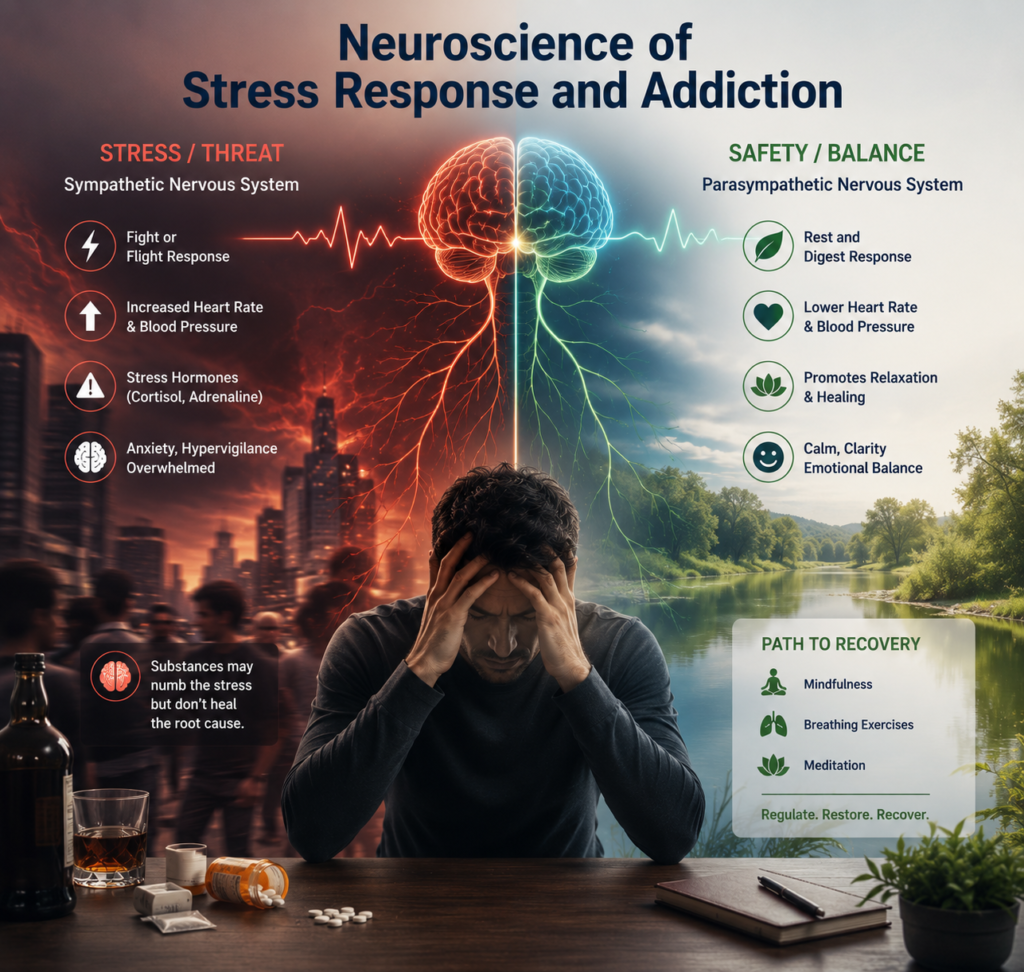
The body’s stress-response system, primarily governed by the autonomic nervous system, plays a critical role in addiction and recovery. When a person experiences stress, the sympathetic nervous system is activated, preparing the body for a ‘fight or flight’ response. This is a normal and necessary reaction to threats.
For someone struggling with addiction, the stress-response system is often overactive, perceiving everyday situations as threats. This chronic activation leads to increased cortisol levels and other stress hormones, which can exacerbate feelings of anxiety and unease. Substances may temporarily dampen this response, but they do not address the underlying dysregulation.
Recovery involves calming the sympathetic nervous system and engaging the parasympathetic nervous system, which promotes relaxation and healing. Techniques such as mindfulness, meditation, and breathing exercises can help achieve this shift, supporting the nervous system’s return to a balanced state.
Emotional Regulation and Recovery
Emotional regulation is a critical component of recovery, particularly for those who have used substances to manage emotions. The ability to experience and process emotions without resorting to substances is a sign of a well-regulated nervous system.
Substances tend to magnify underlying emotions and increase the normal speed of thought. This does not allow the person to realise the damage the substance use is causing to his/her psychological, emotional, personal, social and spiritual life. It creates unmanageability in every aspect of life.
During recovery, individuals must learn to identify their emotions and develop healthy coping strategies. This process often involves exploring underlying trauma and addressing unresolved emotional issues. Trauma-informed care is an essential aspect of this process, as many individuals with addiction histories have experienced significant trauma. One needs to also have the awareness that trauma is not just what one experiences but what one perceives from one’s life experiences as being traumatic.
Anatta’s holistic approach to recovery emphasizes transcending one’s old habit of perceiving one’s experiences through the color of one’s emotions taking them to be real, reacting to them and resorting to substance use to find relief from them.. By focusing on individualized care, clients can develop personalized strategies for emotional regulation, leading to greater resilience and long-term wellbeing not finding the need to resort to substance use.
The Role of Mindfulness in Nervous System Healing
Addictive traitd are ingrained in the subsconscious mind and in the unconscious mind of the body in cellular memory.
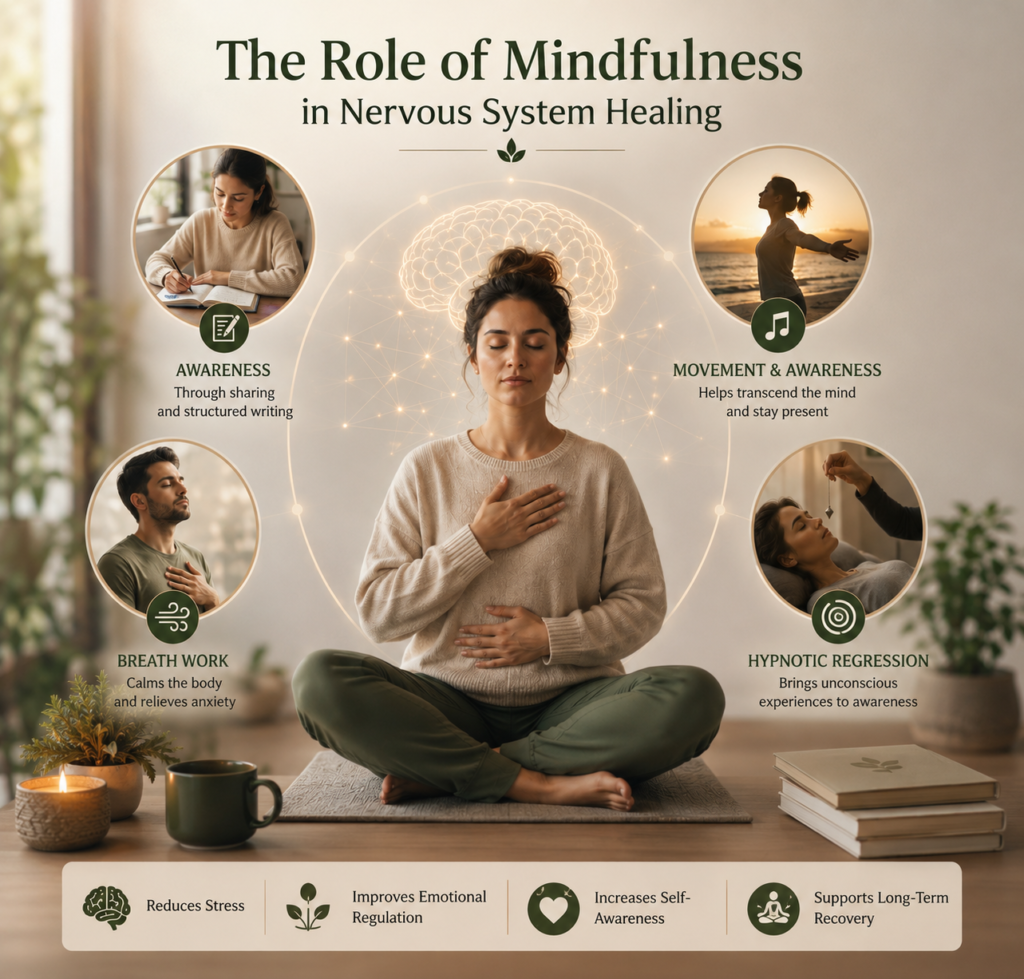
Mindfulness practices are powerful tools for nervous system regulation.
- Sharing one’s experiences of life from childhood and with addiction makes the person aware of one’s traits
- Writing in a structured manner individualised to the person, enables one to look at one’s life experiences with honesty, almost like a third person. This enables the individual identify one’s patterns of perceiving, thinking and emoting. In identifying addictive behaviors even before substance use began. Identifying one’s reactions and responses to situations makes one more aware to catch them when they surface. This enables one to recognise one’s addictive thought processes.
- Awareness techniques and meditation practices using the body through humming, dancing, movement etc, allows one to transcend the mind and get back to the present moment. It slows the mind and the overrun of thoughts that take one to the past or the future.
- Breath work stimulates the autonomic nervous system and relieves anxiety and boosts calm.
- Hypnotic regression therapy enables the unconscious drives and experiences to becomes conscious in a safe space to be dealt with the therapist.
These practices encourage individuals to focus on the present moment and observe their thoughts and emotions without judgment. This awareness can help reduce the stress-response system’s reactivity and foster a sense of inner calm.
Regular mindfulness practice has been shown to decrease stress, lower cortisol levels, and improve emotional regulation. By incorporating mindfulness into the recovery process, individuals can gradually recondition their nervous systems to respond more calmly to stressors.
Incorporating mindfulness into daily routines can be as simple as taking a few deep breaths, practicing gratitude, or engaging in mindful walking. These small but significant practices support the nervous system’s healing and contribute to long-term recovery.
Trauma and Addiction Recovery
Trauma often plays a significant role in addiction, with many individuals using substances to cope with traumatic memories and emotions. Understanding the connection between trauma and addiction is essential for effective recovery.
Trauma-informed care recognizes the profound impact trauma can have on the nervous system. It emphasizes safety, trust, and empowerment, allowing individuals to process traumatic experiences without feeling overwhelmed. This approach is aligned with Anatta’s philosophy, which prioritizes individualized and confidential care.
Addressing trauma in recovery involves creating a safe environment where individuals can explore their past experiences and develop new coping mechanisms. This process supports nervous system regulation and helps individuals build a foundation for long-term sobriety.
Family Involvement and Co-dependency
The members of the family get drawn to play different roles when a loved one suffers from addiction. All make an effort to control and stop the individual’s use. In the bargain the family becomes dysfunctional. They, especially the spouse, lose their individuality. Every member is in high alert mode from the parents to the children. At times, it feels like walking on egg shells as they try to predict what can push their loved one to use. This is taken advantage of by the person addicted in order to use.
Family dynamics can significantly impact the recovery process. Co-dependency, where family members enable addictive behaviors, often complicates recovery efforts. Understanding and addressing these dynamics is crucial for successful recovery.
Family involvement in recovery should focus on healing relationships and establishing healthy boundaries. This process may involve family therapy or education about addiction and its effects on the nervous system. By fostering understanding and support, families can play a positive role in the recovery journey.
Anatta’s approach to recovery considers the role of family dynamics and offers strategies for addressing co-dependency. This holistic perspective ensures that recovery is not only about the individual but also about creating a supportive environment for long-term success.
Holistic Addiction Recovery Strategies

Anatta’s holistic recovery philosophy emphasizes the importance of treating the whole person, not just the symptoms of addiction. This approach involves addressing physical, emotional, and spiritual aspects of recovery.
Holistic strategies may include alternate life therapies, nutritional support, and exercises that promote nervous system regulation. By focusing on these areas, individuals can achieve a more balanced and fulfilling life in recovery.
This holistic approach aligns with the understanding that addiction affects the entire nervous system. By addressing the root causes of dysregulation and promoting overall wellbeing, individuals can achieve sustainable recovery and a renewed sense of purpose.
Building Emotional Resilience in Recovery
Emotional resilience is the ability to adapt to stress and adversity without resorting to substances. Building this resilience is a key goal of recovery and involves strengthening the nervous system’s response to stress.
Strategies for building emotional resilience include developing strong social support networks, engaging in regular physical activity, meditation and practicing self-care. These practices help individuals manage stress more effectively and reduce the likelihood of relapse. Being in active follow up after residential rehabilitation treatment keeps the individual stress free that they have the support and backing of their counseloors.
By focusing on emotional resilience, individuals can navigate the challenges of recovery with greater confidence and stability. This resilience supports long-term sobriety and enhances overall mental wellbeing.
In conclusion, nervous system regulation is an integral part of addiction recovery. By understanding and addressing the stress-response system’s role in addiction, individuals can achieve more sustainable recovery outcomes. Anatta’s holistic approach, which emphasizes emotional healing, mindfulness, and individualized care, provides a compassionate and effective path to recovery. Through this process, individuals can regain control of their lives and move towards a healthier, more balanced future.