Substance abuse recovery is a deeply personal journey, often complicated by co-existing conditions such as Attention Deficit Hyperactivity Disorder (ADHD). For individuals coping with both ADHD and substance abuse, traditional rehab might not always offer the most suitable path to recovery. At Anatta, we champion a holistic approach that prioritizes individual, non-medical treatments to support long-lasting recovery. This article explores how our unique methodology can make a profound difference for those struggling with these intertwined challenges.
Understanding the Connection Between ADHD and Substance Abuse
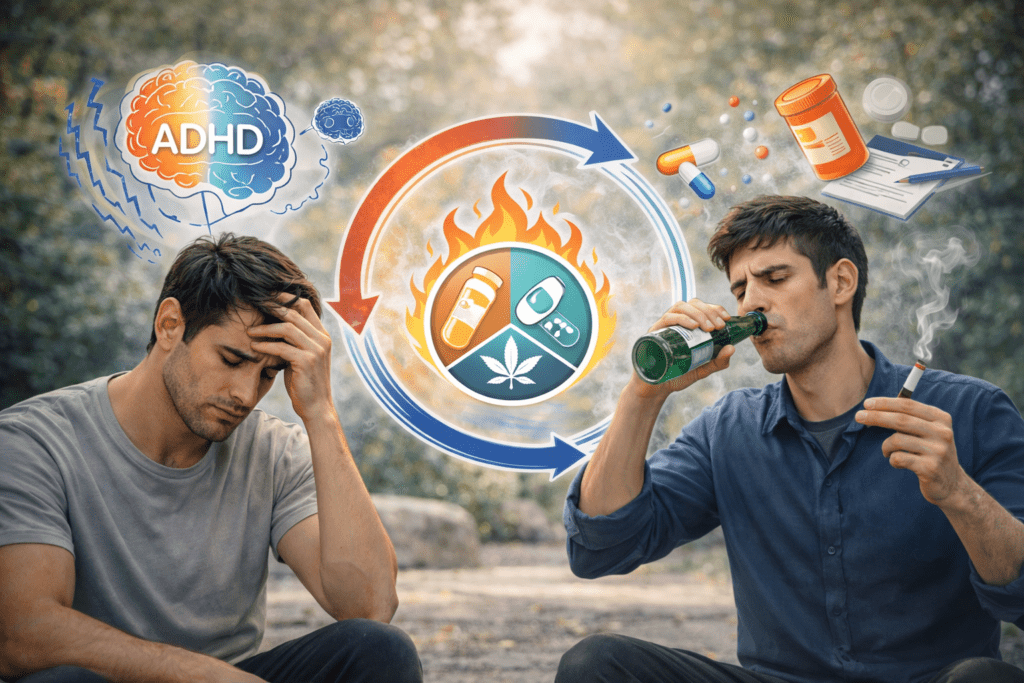
ADHD is a neurodevelopmental disorder characterized by symptoms such as inattention, hyperactivity, and impulsivity. These traits can increase vulnerability to substance abuse as individuals may turn to drugs or alcohol in an attempt to self-medicate and manage their symptoms. The impulsivity and risk-taking behavior associated with ADHD can further exacerbate this tendency, leading to a cycle of dependency that is difficult to break.
Undiagnosed ADHD often goes hand-in-hand with addiction issues. Many who suffer from ADHD may not even realize they have the condition, instead attributing their challenges to personal failings. This lack of diagnosis can result in inappropriate coping mechanisms, such as substance abuse, as individuals struggle to manage their symptoms and emotions without proper support or understanding of their condition. Many substances can also trigger adult onset ADHD, which then needs to be adequately diagnosed and tackled.
It is crucial to address both ADHD and substance abuse simultaneously to ensure effective recovery. A holistic approach, like the one offered by Anatta, seeks to treat the whole person rather than just the addiction, providing a more comprehensive and sustainable path to recovery.
The Role of Family in Recovery
Family involvement can significantly impact the recovery journey. At Anatta, we recognize the importance of addressing co-dependency issues that may arise within family dynamics. Family members often struggle with their own patterns of behaviour that can either hinder or support the recovery process. By providing a supportive environment for both the individual and their family, we help address these underlying issues, promoting healthier relationships and long-term recovery.
Family members may inadvertently contribute to the addiction cycle through enabling behavior or lack of understanding. Through education and support, families can become allies in the recovery process. Anatta focuses on empowering family members to support their loved one’s journey while also addressing their own emotional needs.
Creating a healthy family dynamic is essential for recovery, especially for individuals with ADHD and substance abuse issues. By involving families in the treatment process, Anatta not only helps the individual but also strengthens family bonds, reducing the risk of relapse and promoting a more supportive home environment.
Anatta’s Individual Treatment Approach
Unlike traditional group therapy models, Anatta’s treatment process is highly individualized, focusing on the unique needs of each client. This is particularly beneficial for those with ADHD, as it allows for personalized strategies that cater to their specific challenges and strengths. Our Alternate Life Therapy is tailored to address both ADHD symptoms and substance abuse, without relying on medication.
This one-on-one approach ensures that clients receive the attention and support they need to explore the root causes of their addiction and ADHD symptoms. Clients engage in a variety of therapeutic activities designed to promote self-discovery and healing, all within a confidential and private setting.
By prioritizing individual treatment, Anatta provides a safe space for clients to work through their challenges without the pressure of a group setting. This approach is particularly beneficial for those who may feel overwhelmed or anxious in traditional rehab environments, allowing them to progress at their own pace.
Holistic Techniques in ADHD and Substance Abuse Recovery
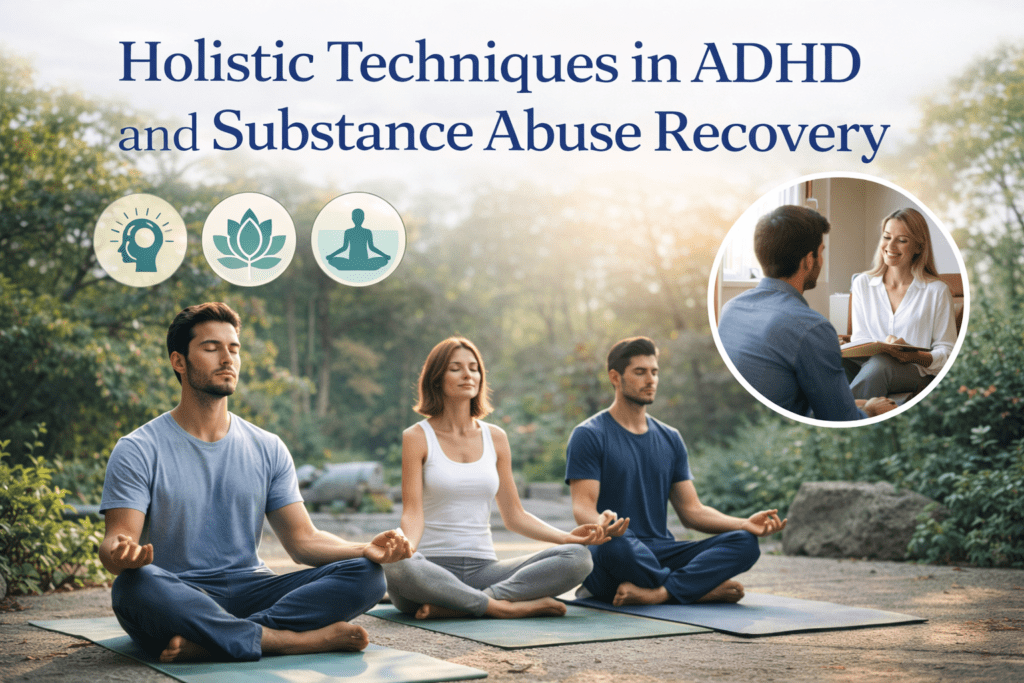
At Anatta, we utilize holistic techniques that focus on healing the mind, body, and spirit. Alternative Life Therapy, a cornerstone of our treatment program, incorporates a variety of strategies to address the multifaceted nature of addiction and ADHD. These techniques include mindfulness practices, meditation, yoga, and other activities that promote self-awareness and emotional regulation.
Mindfulness practices help individuals with ADHD develop greater focus and attention, reducing impulsivity and enhancing their ability to manage stress. Yoga and meditation foster relaxation and emotional balance, offering clients tools to cope with cravings and triggers in a healthy way.
By integrating these holistic techniques into the recovery process, clients learn to connect with themselves on a deeper level, developing healthier habits and coping mechanisms that support long-term recovery. These practices also encourage clients to cultivate a sense of inner peace and resilience, essential for overcoming both ADHD and substance abuse challenges.
Privacy and Confidentiality in Treatment
Confidentiality is a key component of Anatta’s treatment philosophy. We understand the importance of privacy in the recovery process, particularly for individuals who may feel stigmatized or judged due to their ADHD and substance abuse issues. Our destination treatment model ensures that clients can focus on their recovery without the fear of exposure or intrusion.
By offering private, single-client treatment options, Anatta provides a secure and discreet environment where individuals can fully engage in their recovery journey. This level of confidentiality is particularly comforting for those who wish to keep their treatment experience private, allowing them to concentrate on healing without external pressures.
Our commitment to privacy and confidentiality extends to all aspects of our treatment program, ensuring that clients feel safe and supported throughout their recovery journey. This foundation of trust is crucial for building a successful therapeutic relationship and fostering long-term recovery.

80-85%Success Rate: What This Means
Anatta boasts a 80-85%% success rate in helping clients overcome their addictions, a testament to the effectiveness of our holistic, individualized approach. While this statistic is impressive, it is important to understand what success means in the context of addiction recovery. Success is not merely defined by abstinence but by the overall improvement in quality of life, the inner transformation of the individual into a new person, who is aware and responsible of one’s life and hasas found meaning and joy in one’s life even without substances. The ability to manage both ADHD and substance abuse effectively develops woth the same.
Our success is measured by the progress clients make in understanding and addressing the root causes of their addiction and ADHD symptoms, as well as the development of healthier coping mechanisms and lifestyle changes. This holistic measure of success reflects our commitment to supporting clients in achieving lasting recovery and a renewed sense of well-being.
It’s also crucial to note that recovery is a journey, not a destination. The skills and insights gained through Anatta’s treatment program empower clients to continue their growth and development long after the formal treatment has ended, ensuring sustained success and fulfilment in their lives.
The Global Impact of Anatta’s Approach
Anatta’s holistic approach to ADHD and substance abuse recovery offers a viable alternative for individuals worldwide seeking a more personalized and empathetic treatment experience. By focusing on individual needs and offering non-medical, holistic therapies, Anatta is transforming the landscape of addiction recovery on a global scale.
This approach is particularly appealing to those who have not found success with traditional rehab models or who seek a more confidential and private treatment option. By providing a comprehensive, individualized plan, Anatta helps clients from diverse backgrounds find healing and hope.
As Anatta continues to expand its reach and impact, it remains committed to offering a compassionate,, ethical, and non-judgmental environment where individuals can embark on their recovery journey with confidence. The global community can benefit greatly from Anatta’s innovative approach, which prioritizes holistic healing and personal growth, setting a new standard for addiction recovery worldwide.
FAQ Draft (Q&A):
Q1. How does ADHD contribute to substance abuse?
A1. ADHD can contribute to substance abuse due to symptoms like impulsivity and inattention, leading individuals to self-medicate with drugs or alcohol. Without proper diagnosis and support, these behaviors can become coping mechanisms, increasing the risk of dependency.
Q2. What is Anatta’s holistic approach to recovery?
A2. Anatta’s holistic approach focuses on treating the whole person rather than just the addiction. This includes addressing underlying issues, incorporating mindfulness, yoga, and meditation, and providing individualized, non-medical treatments to support long-term recovery.
Q3. Why is family involvement important in recovery?
A3. Family involvement is crucial as it addresses co-dependency and provides a supportive environment. Educating families helps them become allies in the recovery process, promoting healthier relationships and reducing relapse risks.
Q4. What does a 100% success rate mean at Anatta?
A4. Anatta’s 100% success rate reflects the overall improvement in clients’ quality of life, effective management of ADHD and substance abuse, and development of healthier coping mechanisms. It’s about sustained recovery and personal growth, not just abstinence.
Q5. How does Anatta ensure privacy in treatment?
A5. Anatta ensures privacy by offering confidential, single-client treatment options in a secure environment. This approach allows clients to focus on recovery without fear of exposure, fostering trust and a successful therapeutic relationship.
Our Centers
Rehabilitation Centre in India, Rehabilitation Centre in Mumbai, Rehabilitation Centre in Delhi, Drug Rehabilitation Centre in Chandigarh, Rehabilitation Centre in Pune, Rehab Centre in Kolkata, Rehabilitation Centre in Bangalore, Rehabilitation Centre in Ahmedabad, Rehab Centre in Indore, Rehabilitation Centre in Kochi, Rehabilitation Centre in Bhopal, Rehabilitation Centre in Punjab, Rehabilitation Centre in Amritsar, Rehab Centre in Jaipur, Rehabilitation Centre in Amritsar, Rehabilitation Centre in Nagpur, Rehabilitation Centre in Lucknow, Rehabilitation Centre in Chennai, Rehabilitation Centre in Hyderabad, Rehabilitation Centre in Jalandhar, Rehabilitation Centre in Coimbatore