
Anatta.in

Addiction

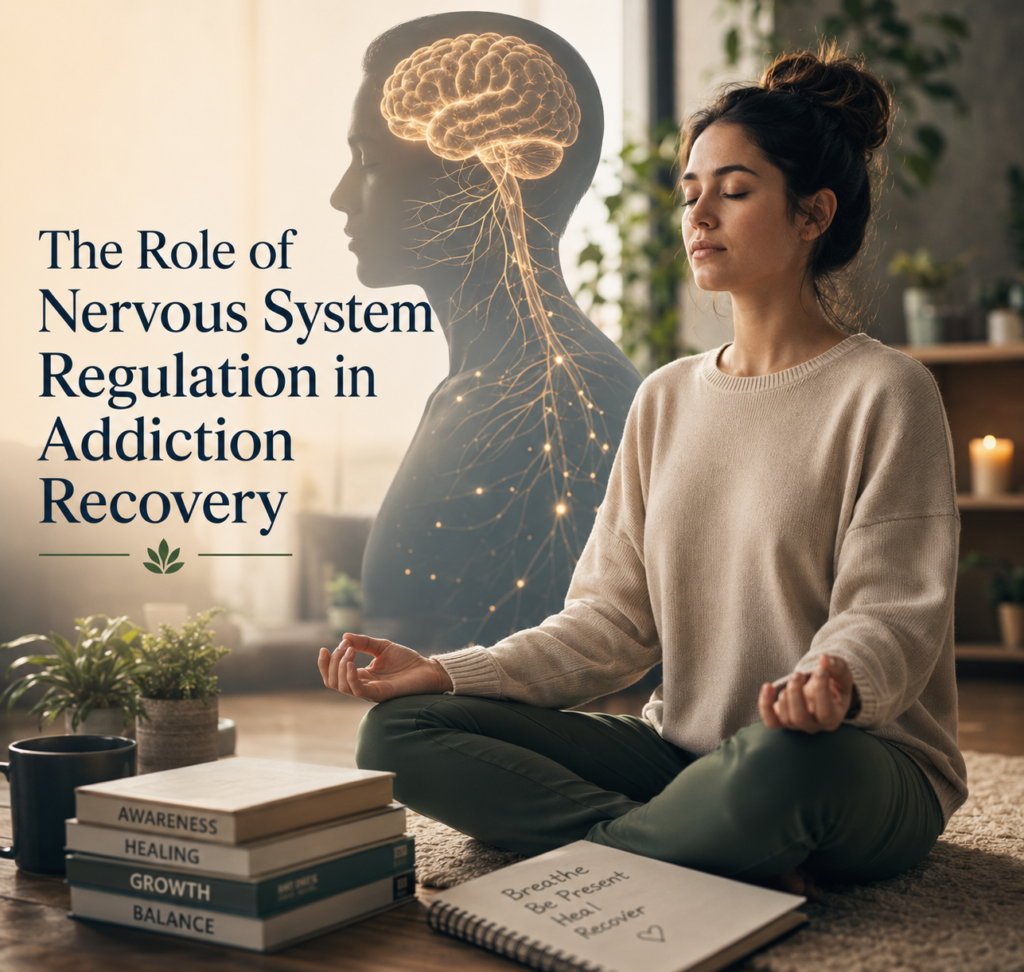
Role of Nervous System Regulation in Addiction Recovery

The Role of Nervous System Regulation in Addiction Recovery

Understanding addiction recovery goes beyond merely abstaining from substances. A crucial aspect often overlooked is how addiction impacts the body’s stress-response system. Teaching the nervous system to feel safe without reliance on substances is a vital component of long-term recovery. This article delves into the intersection of neuroscience, psychology, and recovery, emphasizing the importance of nervous […]

The Role of Nervous System Regulation in Addiction Recovery Read More »

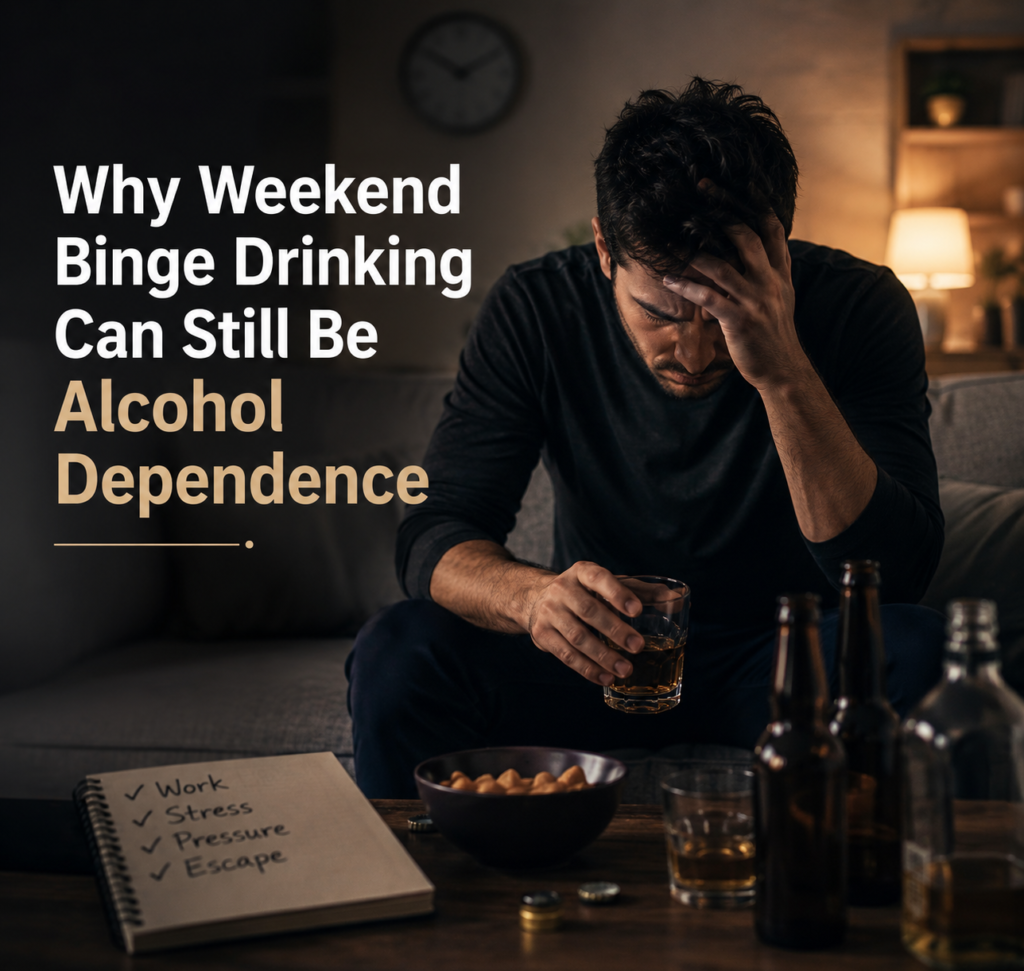
Why Weekend Binge Drinking Can Still Be Alcohol Dependence

Why Weekend Binge Drinking Can Still Be Alcohol Dependence

Many people mistakenly associate alcohol dependence with daily drinking. However, alcohol dependence is defined not just by the frequency of consumption but by the loss of control, psychological reliance, and the behavioral patterns it creates. Even if you only drink on weekends, recurring binge drinking can indicate a pattern of alcohol dependence, especially when alcohol becomes

Why Weekend Binge Drinking Can Still Be Alcohol Dependence Read More »

Why Intelligent and Successful People Are Vulnerable to Addiction

Why Intelligent and Successful People Are Vulnerable to Addiction

It is a common misconception that intelligence, education, financial success, or professional achievement shield individuals from addiction. However, addiction affects people across all backgrounds, and success does not provide immunity from emotional struggles. Many addictions remain hidden behind achievement and functionality, challenging the stereotype that addiction only affects those who are struggling. This article delves into the

Why Intelligent and Successful People Are Vulnerable to Addiction Read More »

Substance Abuse and Emotional Dissociation What Families Miss

Substance Abuse and Emotional Dissociation: What Families Miss

When families confront the challenging reality of addiction, their focus often gravitates toward visible signs like substance use, secrecy, or financial issues. However, an underlying issue that frequently goes unnoticed is emotional dissociation. Long before addiction manifests in an overt manner, many individuals experience an emotional disconnection from themselves and their surroundings. Families might observe behavioral changes

Substance Abuse and Emotional Dissociation: What Families Miss Read More »

Why Emotional Isolation Fuels Addiction in Affluent Lifestyles

Why Emotional Isolation Fuels Addiction in Affluent Lifestyles

Affluence, often associated with success and privilege, can mask a deeply rooted emotional emptiness that fuels addiction. This juxtaposition between external achievements and internal voids is rarely discussed. The veneer of wealth and status creates a false perception of invulnerability, where addiction and dependency are seen as distant possibilities. Yet, in affluent circles, emotional isolation

Why Emotional Isolation Fuels Addiction in Affluent Lifestyles Read More »

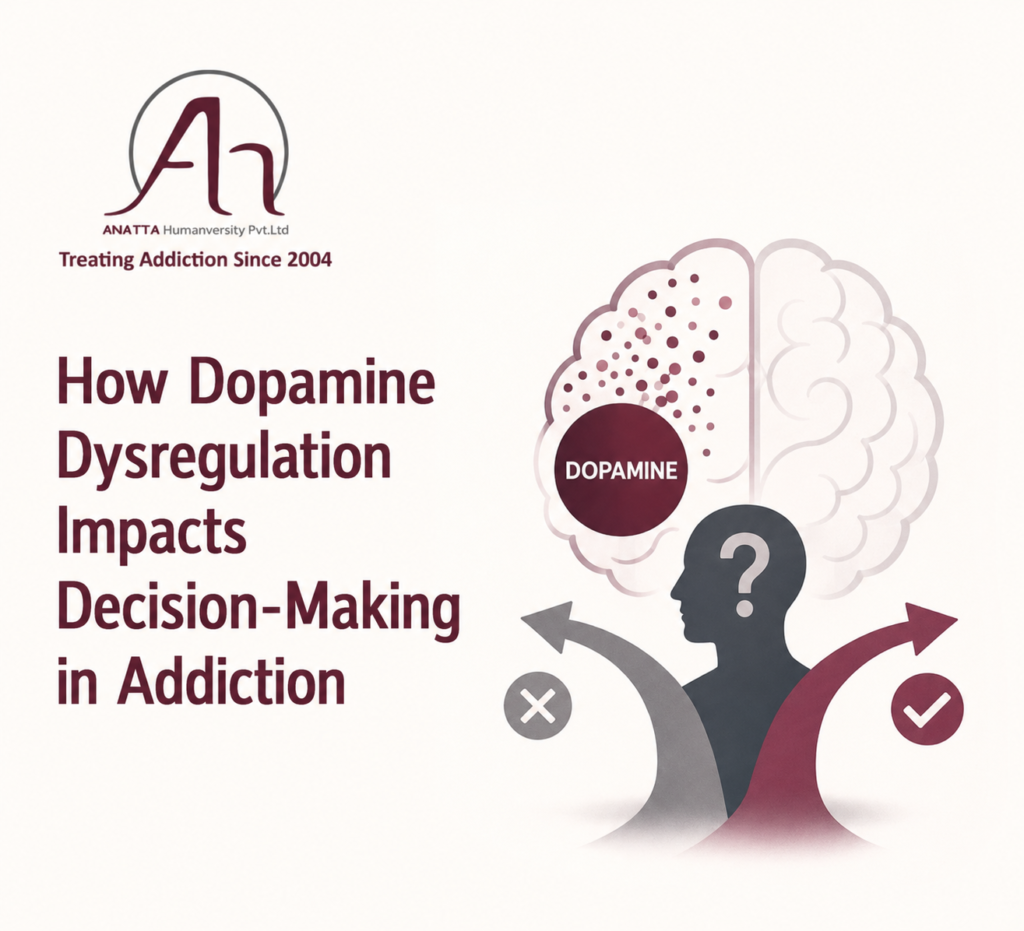
How Dopamine Dysregulation Impacts Decision-Making in Addiction

How Dopamine Dysregulation Impacts Decision-Making in Addiction

Understanding addiction requires more than just observing behavior; it involves delving into the intricate workings of the brain. At the center of this exploration is dopamine, a neurotransmitter often misunderstood as merely the “pleasure chemical.”  In reality, dopamine plays a complex role in When dysregulated, it profoundly impacts decision-making in addiction. This article aims to

How Dopamine Dysregulation Impacts Decision-Making in Addiction Read More »

Addiction Transfer Why One Addiction Often Replaces Another

Addiction Transfer: Why One Addiction Often Replaces Another

In the journey of recovery, the transition from one addiction to another is a phenomenon known as addiction transfer/ Cross-addiction/Substitute addiction. This shift doesn’t imply merely a change in the substance or behaviour but highlights an ongoing emotional and neurological dependency pattern. Essentially, while the coping mechanism may change, the underlying emotional drivers remain untreated,

Addiction Transfer: Why One Addiction Often Replaces Another Read More »

Relapse Triggers in High-Stress Environments

Psychology of Relapse Triggers in High-Stress Environments

Relapse is often mischaracterized as a failure or a step backward in the journey of recovery from addiction. However, research suggests otherwise. According to the National Institute on Drug Abuse (NIDA), 40% to 60% of individuals treated for substance use disorders experience relapse at some point in recovery, a rate comparable to other chronic medical

Psychology of Relapse Triggers in High-Stress Environments Read More »

Stress and addiction recovery journey.

Understanding the Link Between Stress, Burnout, and Addiction

Understanding the intricate connection between burnout, trauma, stress and addiction is essential, especially for those with a family member struggling with addiction. Non-medical, voluntary treatments like those offered by Anatta focus on holistic and individualized care, recognizing the profound impact that stress and trauma can have in leading an individual down the path of addiction. By focusing

Understanding the Link Between Stress, Burnout, and Addiction Read More »

Scroll to Top
Call Now Enquire Now