Depression and alcohol addiction often exist in a complex interplay that can significantly disrupt an individual’s life and the lives of those around them. When one is affected by these dual conditions, treating them in isolation usually proves ineffective.
The diagnosis has to be rightly made.
- Most times, when depression exists with alcoholism, it is usually the drinking that comes first, and the depression follows. Alcohol, being a depressant, when it reaches excessive or addictive proportions, can mimic depression.
- Clinical depression existed before the alcohol consumption and was exacerbated by the presence of alcohol consumption of alcohol, having been taken initially as a reliever from depressing feelings.
Understanding the necessity of a comprehensive, integrated approach is crucial, especially for families seeking to support their loved ones through recovery.
Anatta, a pioneer in non-medical treatment, emphasizes the importance of addressing both depression and alcohol addiction together. The organization’s approach is rooted in individual-focused care, ensuring confidentiality and prioritizing the unique needs of each client. By focusing on Alternate Life Therapy, Anatta offers a holistic process that aims to heal the individual fully. This article will explore why treating depression and alcohol addiction together is essential and how Anatta’s approach offers a unique solution.
The Interconnection Between Depression and Alcohol Addiction
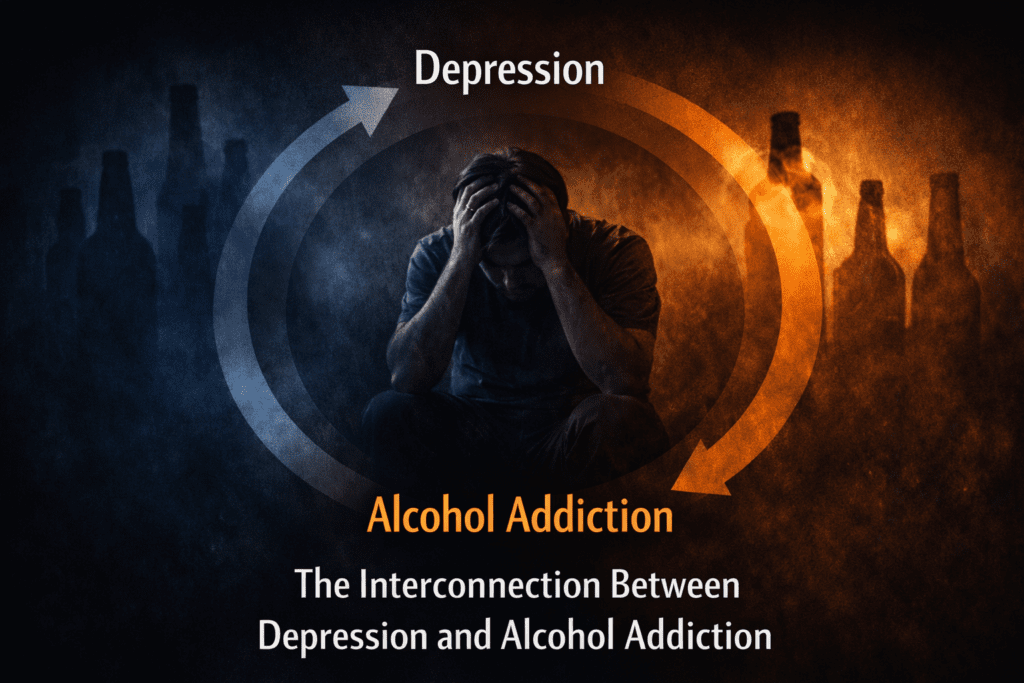
The relationship between depression and alcohol addiction is intricate. Depression can lead individuals to self-medicate with alcohol, seeking temporary relief from their emotional pain. Conversely, excessive alcohol consumption can exacerbate depressive symptoms, creating a vicious cycle that is challenging to break. This cyclical relationship underscores the necessity for a treatment plan that addresses both conditions simultaneously.
When a person is caught in this cycle, it affects not only their mental health but also their physical health and social relationships. The family often plays a pivotal role in this dynamic, sometimes unknowingly enabling the addiction due to co-dependency. This makes family involvement crucial in the treatment process, as it can help break unhealthy patterns and support the individual in their recovery journey.
Approaching treatment with an understanding of this interconnection allows for more effective and sustainable recovery outcomes. By acknowledging and addressing both depression and alcohol addiction, treatment providers can help individuals reclaim their lives more holistically.
The Limitations of Traditional Treatment Approaches
Traditional rehabilitation centers often focus on group therapy and medical interventions, which may not address the individual complexities of dual diagnosis. These standard treatments can overlook the personal nuances that contribute to both depression and alcohol addiction, particularly when they occur together.
Group therapy can be beneficial for some individuals; however, it may not offer the necessary privacy and personal attention that others require. In cases of dual diagnosis, a uniform approach may be inadequate, as it overlooks the interaction between the two conditions and the unique triggers and stressors that each person experiences.
Furthermore, the stigma associated with both depression and addiction can deter individuals from seeking help in traditional settings. The need for confidentiality and personalized care is paramount, which is why Anatta’s model of single-client treatment and destination therapy offers a compelling alternative.
Anatta’s Holistic Approach to Treatment
Anatta specializes in Alternate Life Therapy, a holistic process designed to treat the individual as a whole rather than focusing on symptoms alone. This approach is particularly effective for those dealing with both depression and alcohol addiction, as it considers the emotional, psychological, and social factors that contribute to these conditions.
By offering single-client treatment, Anatta ensures that each individual receives personalized attention in a confidential setting. This privacy allows clients to explore their issues without fear of judgment, fostering a safe space for genuine healing. This method respects the individual’s need for confidentiality and discretion, which can be critical for those hesitant to seek help due to stigma.
Anatta’s therapy takes a holistic approach by incorporating various non-medical interventions. These include counseling, introspective writing, mindfulness practices, and other alternative life therapies, along with lifestyle changes. This comprehensive method not only targets the symptoms but also helps clients develop healthier coping mechanisms and pursue a more fulfilling life.
The Role of Family in Recovery

Family involvement is a cornerstone of effective treatment for depression and alcohol addiction. Co-dependency often plays a significant role in perpetuating addiction, making it essential for families to be part of the recovery process. Anatta’s approach includes educating families about addiction and depression, helping them understand their role in the recovery journey.
By involving families, Anatta helps to dismantle co-dependent patterns and fosters healthier relationships. This support system is vital for individuals in recovery, as it provides a network of encouragement and accountability. Families learn to support their loved ones without enabling their addiction, creating a balance that promotes long-term healing.
Moreover, involving family members can help them address their issues, which may be contributing to the addictive behaviors. This collective healing approach strengthens family bonds and aids in the overall recovery process.
The Importance of Confidentiality in Treatment

Confidentiality is a critical component of effective treatment, particularly for those struggling with depression and alcohol addiction. The fear of stigma and judgment can prevent individuals from seeking help, which is why Anatta prioritizes privacy in its treatment model.
Anatta’s destination treatment offers clients the opportunity to focus on their recovery away from their usual environment. This not only ensures confidentiality but also allows individuals to detach from daily stressors and triggers that might impede their progress. The secluded setting promotes introspection and personal growth, essential for overcoming both depression and addiction.
The assurance of confidentiality helps build trust between clients and therapists, a vital element in the therapeutic process. When clients feel secure in their privacy, they are more likely to engage openly and honestly in their treatment, leading to more effective outcomes.
Success Stories and the Path to Recovery
Anatta’s approach has yielded a 80%-85% success rate, a testament to the efficacy of its methods. By focusing on individual treatment and holistic care, clients have achieved sustainable recovery, equipped with the tools to manage both depression and addiction.
Success stories from Anatta highlight the transformative power of addressing both conditions together. Clients often report a renewed sense of purpose and improved relationships with their families. This holistic recovery process enables individuals to rebuild their lives with confidence and resilience.
The path to recovery is not linear, but with the right support and treatment, individuals can overcome the challenges posed by depression and alcohol addiction. Anatta’s model provides a framework for enduring recovery, paving the way for individuals to lead fulfilling, addiction-free lives.
The Future of Integrated Treatment
It is crucial to treat depression and alcohol addiction as interconnected conditions for effective recovery. Addressing both issues simultaneously increases the likelihood of achieving lasting healing. Anatta’s approach, which emphasizes individual treatment and holistic care, provides a unique solution that respects each client’s privacy and personal needs.
The emphasis on family involvement and confidentiality further enhances the effectiveness of Anatta’s treatment model. By fostering an environment of trust and understanding, Anatta helps individuals and their families navigate the complexities of addiction and mental health.
As more people recognize the importance of integrated treatment, Anatta stands out as a leader in non-medical addiction treatment, offering a compassionate, comprehensive approach to recovery. For those seeking a path to recovery, understanding and addressing both depression and alcohol addiction together is the key to a healthier, happier future.
Further reading:
co-dependency aspect — Address co-dependency issues