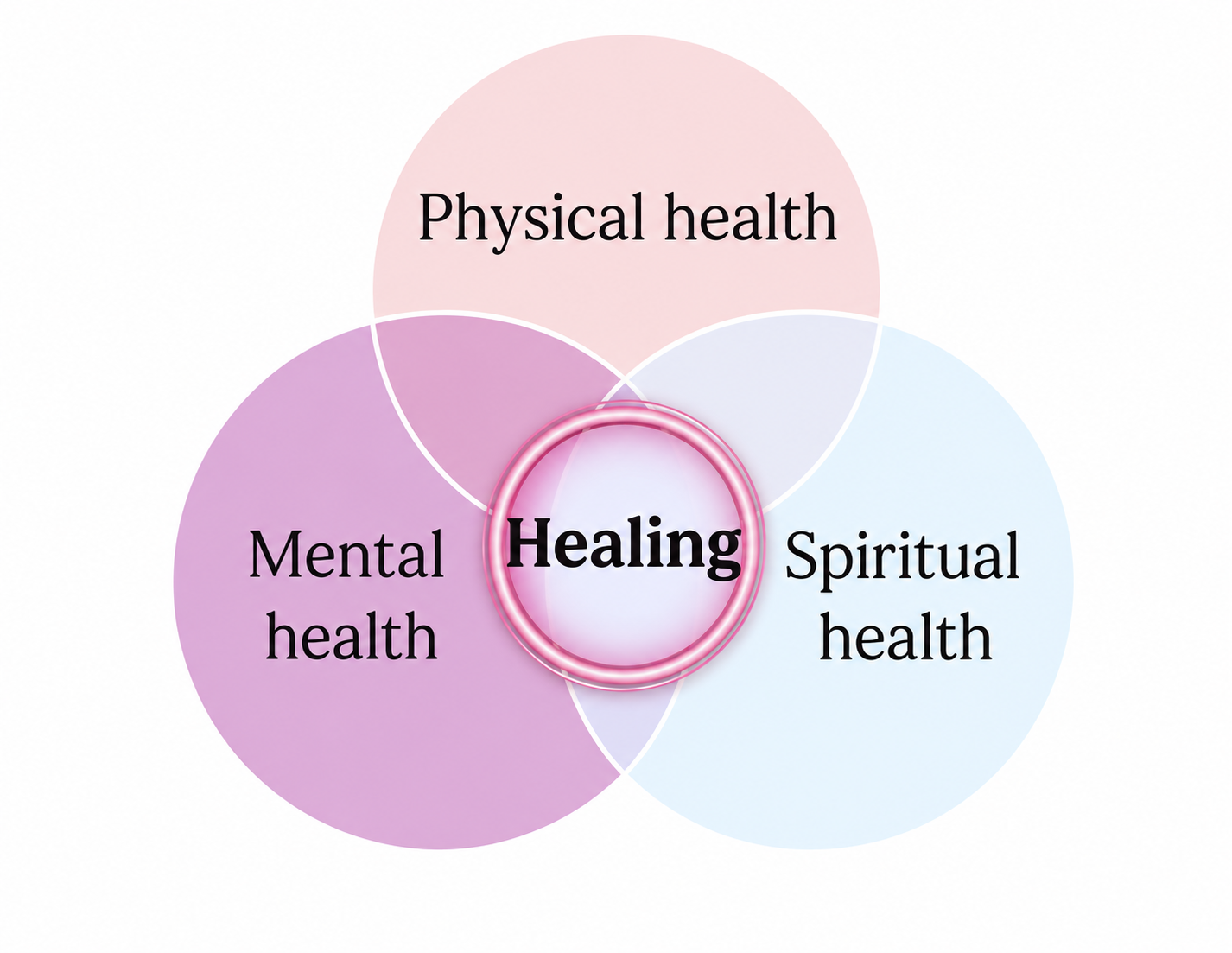
Addiction is considered to be a disease that affects an individual physically, psychologically, spiritually, and in interpersonal relationships. Hence, addiction is called a “Family Disease”, wherein the families require as much therapeutic help.
It is the individual who is ill, hence one treats the individual, not the substance consumed. For this very reason, no medication can be used to treat it. The right kind of treatment has to be a holistic one tailored to the individual suffering from addiction.
Early days
Till the end of the 19th century those suffering from substance use disorders/ addictions were considered to be mentally ill people and would be institutionalized in a psychiatric facility or ‘mad houses’ as they were called then.
Self- help Groups
In 1935, the self-help group Alcoholics Anonymous was established. Narcotics Anonymous was established in 1953. Both are fellowships of men and women who share their experience, strength, and hope with each other that they may solve their common problem and help others to recover from alcoholism and drug addiction. The only requirement for membership is a desire to stop drinking/using. There are no dues or fees; they are self-supporting through their own contributions. Its primary purpose is to stay sober and help other alcoholics and drug addicts achieve sobriety. Al-Anon for Family Groups was officially established in 1951 as a support group for families, spouses, children, friends, and siblings of those suffering from Addiction.
Harm Reduction Therapy
This aims at reducing the use of existing drugs by substituting them with another drug that is less addictive and less harmful than the substance of choice. e.g. Buprenorphine is used as a substitute for illicit opiate drugs. Although these drugs are themselves addictive, the goal is to provide a clinically supervised, stable dose of a particular opioid to provide a measure of control over both pain and cravings. This provides a chance for the addict to function normally and to reduce the negative consequences associated with obtaining sufficient quantities of substances illicitly, by both reducing opioid cravings and withdrawals.
European nations such as Portugal, the Netherlands, and Switzerland have been at the forefront of harm reduction programs. [Ref: https://pmc.ncbi.nlm.nih.gov/articles/PMC12124055/]
Residential Rehabilitation Programs
Treatment of Substance use disorders/addiction needs to have a multi-pronged approach-
- Pre-admission history taking to understand the type and extent of substance use, nature of the individual, family dynamics, to understand the emotional issues that the client might be facing, and the dysfunctionality in the family that needs therapeutic intervention.
- Investigations at the time of admission to assess physical damage and plan medical treatment for the same.
- Detoxification to tide over withdrawals, done under medical supervision.
- Psychiatric assessment to rule out underlying mental health conditions.
- Experiential counsellors to facilitate the residential treatment processes, staying with the clients using eclectic modes of counselling practices, awareness techniques, and writing assignments individualized to the clients to enable them to understand themselves, their mental and emotional patterns. This enables the client to deal with issues and learn tools to deal with future life challenges without needing to use them.
This is the ideal treatment process, provided it is residential, voluntary, non-medical in nature, and in an accepting, comfortable, non-judgmental environment. The person afflicted with addiction has to stay for anywhere between 12 weeks and 6 months, depending on the substances used, duration, and quantity of use, for a structured treatment in a controlled, conducive environment.
The residential treatment centres may use any of the following
- 12-step program for recovery
- Cognitive Behaviour Therapy, which says that addiction is a behavioural problem, and hence therapy in that direction will aid in treatment
- SMART Recovery program – that looks at the relationship between thoughts, feelings, and behaviours, recognizing that a change in any of these areas can affect the whole.
As per us at Anatta Humanversity, true recovery can happen only in the freedom of voluntarily accepting help. The treatment methodologies involve one-on-one single client Counselling processes, work papers to write that are individualised to the client, and Awareness techniques/Meditative processes with alternative therapies. The meditation techniques are very psychotherapeutic and take one within, making it easier to deal with issues that are resolved through counselling and writing processes. The ambience is non-judgemental and compassionate, maintaining the dignity and confidentiality of the client, thereby enabling the individual marginalized by himself, family, and society to accept and love himself/ herself. The discomfort of being with themselves, wanting to escape from or numb unpleasant emotions that they find difficult to express and communicate, results in repeated indulgence in usage under the illusion of the temporary relief from emotional pain. In addictive use, the drug that was seen as a solution at one time, becomes a problem.
In reality, they require a loving environment, non-judgmental [ they judge and demean themselves worse than anyone else can], accepting, and compassionate. This is a space where they can be themselves without fear or shame, for these are the only circumstances where they can learn to accept themselves and begin loving themselves. At the same time, they learn to willingly assume responsibility for their lives and learn to enjoy living and reach a stage within themselves of not finding the need to use substances. This enables them to own their dignity.
The Counselling processes need to be with experiential counsellors who have suffered from addictions in the past, undergone treatment, and are today leading a sober, fulfilling life. The individual seeking treatment gains hope and inspiration from somebody who has experienced what he /she is experiencing and has undergone treatment and is today living a productive life. This is also done through self-disclosure sharing.
Any meditation technique subtly releases suppressed and repressed emotions that have been stored in the cellular memories of the body.
Writing enables a detachment of the baggage of emotions that are attached to past incidents that have been perceived to be painful.
The holistic package of sharing, writing, meditation, and other alternative therapies that are individualized to the client enables the individual to develop self- esteem, self-love, and live life realistically.
Associations of using/ drinking with fun are broken during treatment, through taking clients for movies, meals, drives, workouts, games, in facility karaoke, playing instruments if they so wish to, etc
The program is unstructured due to limited clients or a single client at a time. The structure and discipline evolve with each client.
Family Therapy is an equally important part of the therapeutic process that bridges families.
Thus, the afflicted individual learns to live life and thrive without finding the need to use a substance.
Follow-up- A strong follow-up regime is planned with mutual agreement with the client, which strengthens recovery even after the end of the residential program.
Slips and Relapses are not treated with disdain, but as something one needs to get back on track with a Relapse Prevention program to make the foundation stronger.
Conclusion
Thus, the right solution for addiction treatment is the residential model, which is voluntary, non- medical, and holistic.